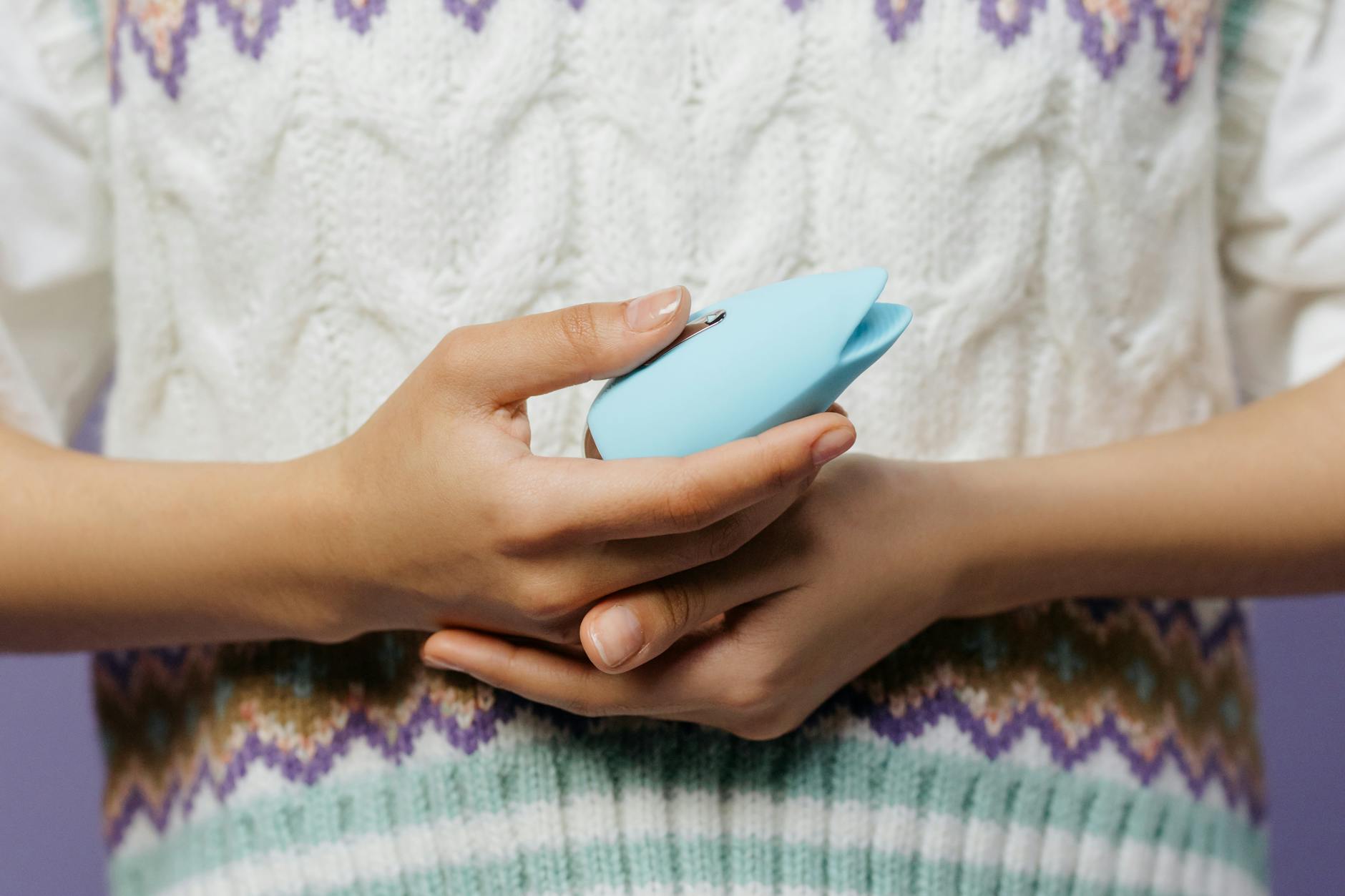
The conversation most new couples avoid
Honestly? Introducing a toy to someone you're just starting to explore with feels risky. What if they think you're not satisfied? What if they take it as criticism? What if it kills the mood entirely? Those fears are totally normal. But here's the thing: they're also based on outdated assumptions about what toys mean.
Toys don't replace partners. They expand what's possible when you're together. And bringing lemon vibrators into a new relationship—when you frame it right—can actually deepen trust faster than months of tiptoeing around what you actually want.
Why the timing matters
There's a window. Too early (first or second time together) and it can feel clinical or like you're skipping steps. Too late (six months in, out of nowhere) and it reads like "I haven't been satisfied." The sweet spot is usually around date four or five—early enough that you're both still discovering each other, late enough that you've built some comfort.
If you're already having sex regularly and haven't mentioned toys, the conversation works differently. More on that in a second.
The underlying principle is the same: frame it as curiosity and expansion, not necessity or complaint.
How to bring it up (the actual words)
Forget the build-up. Clumsy transparency beats smooth preambles every time.
"I really like where this is going with us, and I've been thinking about what we could explore together. I own a clitoral vibrator—it's called the Lem—and I'd genuinely love to try it with you sometime. No pressure at all. Just something I'm curious about." Done.
Notice what's in there: you've named the specific toy, you've framed it as something you want to experience with them (not instead of them), and you've removed pressure. No lengthy justification. No apology.
If they ask questions, answer them straight. "Does it feel good?" Yes. "Why do you want me there?" Because I like you and I want to share this with you. "Will you still want me?" Absolutely—I specifically want this to be with you.
What happens if they're hesitant
Some people have never seen a partner use a toy. Some grew up with messaging that toys were "cheating" or unnecessary. Some are just nervous they'll do it wrong.
Here's what I tell couples in my practice: curiosity is your opening. "What are you worried about?" Let them actually answer. Often it's not what you assumed.
If they're worried they won't satisfy you, that's your cue to be specific: "I like what we do together. This is just something I want to experience, and I want you there because you turn me on." Separate desire from technique.
If they're worried about performance—that they won't know what to do—offer to guide them. "I can show you how I like it used. Or you can use it on me and I'll tell you what feels good." Concrete, collaborative. That's the frame.
If they just need time, respect that. But also be clear: "This is something I want to explore. I'd love for you to be part of it." Don't disappear it to keep the peace.
The first time: setting it up
Don't spring it mid-sex. Talk about it when you're clothed and the energy isn't already charged. "So I was thinking, next time we're together, maybe we could try it. Do you want to see it first? I can show you how it works."
Bring it out, let them hold it, answer questions. Lemon vibrators are designed to feel intuitive—they're sleek, not intimidating. Once they see it's just a tool (a well-designed one, but still), most people relax.
Then, when you're intimate, keep the integration casual. You might use it on yourself while they're inside you. You might hand it to them and show them where and how. You might use it together as foreplay before transitioning to something else. There's no one right way. The point is collaboration, not performance.
Managing the mental game
Here's what I see most often: one person brings a toy to a new relationship, and the other partner gets in their head. They wonder if they're not enough. They start comparing themselves to the toy.
If your partner is spiraling, name it gently. "I notice you seem quiet. What's going on?" Give them space to be honest. Then be specific about what you love about them versus what the toy does.
The toy creates a specific sensation—suction, consistent rhythm, whatever. Your partner creates everything else: connection, surprise, the fact that you're mutually attracted and choosing each other. These aren't in competition.
What lemon vibrators bring to new couples specifically
Clitoral vibrators like the Lem work well early in a relationship because they're not intimidating and they don't require deep familiarity with your body to use well. Your new partner doesn't need to know your history, your triggers, your preferences—they can follow your cues in real time.
That actually builds intimacy faster. You're communicating about pleasure in real time. You're watching each other respond. You're creating a shared experience that feels like discovery instead of routine.
And honestly? If someone freaks out about a toy early on, that tells you something useful about how they handle vulnerability and communication. Pay attention.
The conversation after
Don't pretend it didn't happen. But also don't over-analyze it to death.
"I really liked that. Did you?" If yes, great. "Want to do it again sometime?" If no or uncertain, ask what felt off. Was it the toy itself? The positioning? The psychological weight? Actual discomfort?
Most people either like it or don't have a strong opinion—and that's fine. You've opened the door to exploring together. That's the win.
FAQ
How early is too early to mention you own a lemon vibrator?
After you've had sex at least once or twice. Before you've had sex, it can read as assumption. After date four or five, it's natural. If you're already six months in and haven't mentioned it, the conversation is slightly different (less "exploring together" and more "here's something I want us to try"), but the principle holds.
What if they say no—they don't want toys in the relationship?
That's their boundary, and you get to decide if you can live with it. Some people are fundamentally not interested in toys, and that's valid. Others are nervous but open to trying. Only you know what you need. If toys are non-negotiable for you and they're a hard no for them, that's an incompatibility worth knowing early.
Does using a toy with a new partner make them think I've done this before?
Probably. And that's okay. People have sexual histories. Owning a lemon vibrator and knowing how to use it is a sign of self-knowledge, not promiscuity. A partner worth keeping will appreciate that you know what you want.
Should I use the toy alone before introducing it to them?
Yes. Know how it works, what sensations you like, how to adjust the patterns. That confidence translates when you're showing them. Plus, you'll be able to guide them instead of figuring it out together in the moment, which takes pressure off.
What if I'm worried about size or shape being weird to them?
Lemon vibrators are designed to be elegant and unintimidating. They don't scream "ADULT TOY"—they look like a wellness device. But if you're still nervous, show them photos first. "This is what I want to explore with you. What do you think?" Demystify it.
Can we use lemon vibrators if we're just starting to have sex with each other?
You can, but I'd wait until you've both felt relatively comfortable with basic intimacy first. Use toys after you've built some trust and familiarity. It makes the introduction feel like expansion instead of introduction to a total unknown.
The bigger picture
Introducing toys to a new partner is ultimately about communication. It's practice in asking for what you want, reading someone else's discomfort, and creating shared curiosity instead of shame. These are the exact skills that make good long-term relationships. So yes, the conversation feels awkward. And yes, it's absolutely worth having early. If you're interested in building deeper connection with a new partner, you might also find how to explore new sensations with your partner helpful for moving beyond the first try together. The earlier you normalize pleasure and communication, the better everything else becomes.